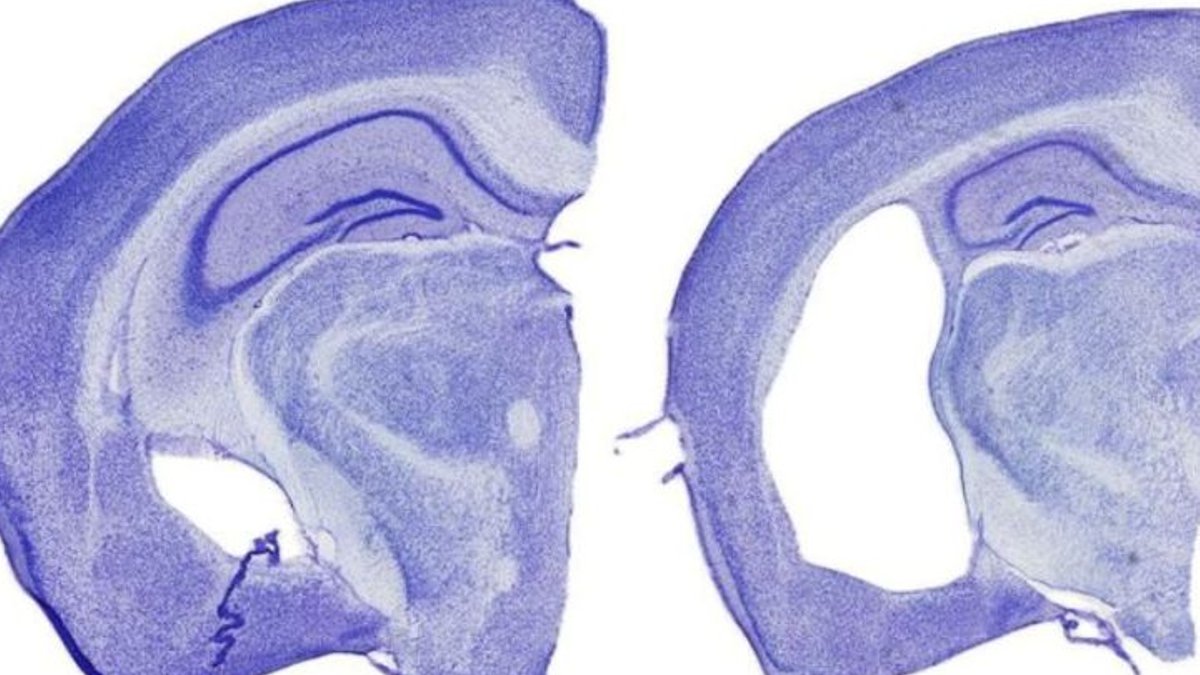
Researchers at Washington University School of Medicine in St. Louis have found evidence that immune cells activated outside the brain may drive the neurodegeneration seen in Alzheimer’s disease and related disorders. The study, published in Nature Neuroscience, suggests the damage could potentially be slowed without directly targeting the brain itself.
Immune cells and brain damage
Previous work by the lab showed that removing T cells from mice prevented much of the brain damage associated with tau protein buildup. The new research sought to determine where those T cells were being activated.
The team found very few classical dendritic cells, known as cDC1, in the brains of mice with tau pathology. This led them to examine tissues outside the brain.
When cDC1 cells were eliminated from lymph nodes and other peripheral tissues, the mice had substantially fewer T cells in their brains, particularly CD8 T cells, which can destroy targeted cells.
The reduction was accompanied by less neurodegeneration despite continued buildup.
They still developed tangles but experienced less brain damage and retained their cognitive abilities.
Related: Alanis Morissette sues ex‑tour manager for extortion
They retained their cognitive abilities.
The findings suggest that tau accumulation and the immune response causing subsequent brain damage may be separate processes.
“One of the issues in developing treatments for neurological diseases is that you need to engineer your treatment so that it gets into the brain and past the blood‑brain barrier,” said David Holtzman, a professor of neurology at Washington University and senior author of the study. “But we might not actually need to get the drugs into the central nervous system to mitigate the damage.”
Potential treatment approaches
Researchers suspect that damage caused by the protein may cause brain cells to release material that drains into lymph nodes in the neck. There, dendritic cells could activate T cells, which then migrate toward the brain and contribute to further damage. If this same mechanism occurs in humans, it could open a new avenue for treatment.
The study does not establish that the same process occurs in people with Alzheimer’s disease. But Holtzman said existing treatments that manipulate T cells could make the peripheral immune system a potential target for future research. Rather than engineering drugs to cross the blood‑brain barrier, researchers might instead focus on the immune response happening outside the central nervous system.


