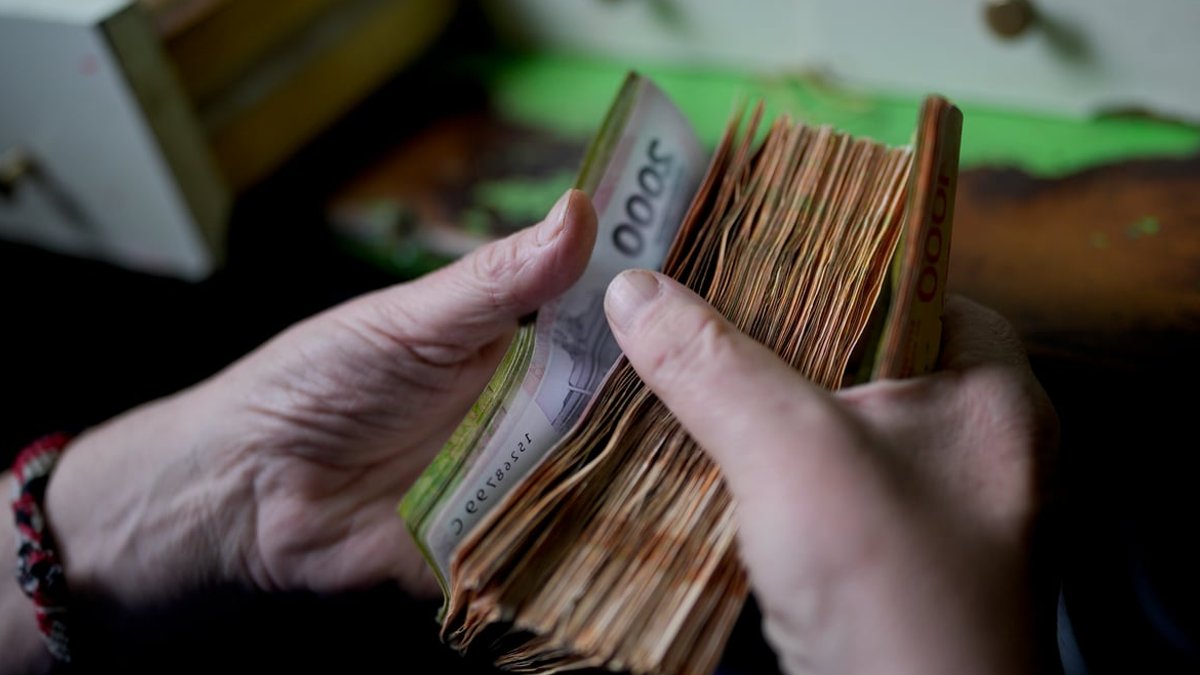
Millions of Argentines face a debt trap as the nation’s finances change under libertarian President Javier Milei. The situation began for many like Andrea, a 60‑year‑old who fell behind on a credit card bill after a relative died. She paid the minimum amount due, but interest compounded quickly. Within a year, Andrea owed about $4,500 after taking a loan with Mercado Pago, where annual rates can exceed 1,375 percent.
Rising costs and deregulation
Nearly 6 million people in Argentina are now in arrears, with indebtedness reaching record levels. Management & Fit, a local consulting firm, reports that 33 percent of indebted Argentines use credit to pay for basic costs like food. While Milei attributes this to poor Argentines buying televisions to watch the World Cup, data shows fewer than 10 percent of those in debt incurred it through appliance purchases.
Milei, elected in 2023 on a platform of fiscal discipline, has slashed public spending and pushed deregulation. Although inflation has slowed and international lending organizations have strengthened their positions with the country, the cost of living has risen for citizens. Real disposable income is 8 percent lower than in 2023, and when factoring in rent and utilities, the decline reaches 17 percent.
Related: Macron meets Burnham in London
Under the new economic policies, traditional bank loan rates have fallen, but reliance on fintech companies like Mercado Pago has surged. These firms often charge significantly higher interest rates. Between the end of 2023 and August 2026, the percentage of its citizens in arrears ballooned from 4.2 percent to 17.5 percent.
Austerity and personal struggles
Debt has become a daily reality.
Andrea, who asked not to use her real name, works in the public sector where her salary has been frozen since 2025. More than half of her $1,500 monthly earnings go to rent and utilities. She recently asked her human resources office for a salary advance and discovered many colleagues had done the same. Andrea eventually found support through Movida Ciudad, a grassroots organization in Buenos Aires that has seen over 200 people join in the past six months.
Related: Investors Thrive While Consumers Bear Iran War Costs
For Elena Trotta, a 43‑year‑old history teacher and single mother, the situation became suffocating. Her salary of roughly $600 per month barely covers a rent increase to $570. She started selling candles and cakes on weekends to make ends meet. Trotta has gone nearly three months without making a debt payment and is close to falling into arrears.
While many citizens feel they are being asked to sacrifice without seeing economic benefits, the paradox deepens. The country has some of the lowest levels of household credit in the region, yet a large share of borrowers fall into arrears. Economists note that rates of debt delinquency are at their highest levels since 2018.
As more of its residents turn to personal loans and credit cards to maintain their lifestyles, the stigma of debt is changing. Organizations like Endeudados Organizados provide a space for people to network and share strategies for restructuring their debts. For Andrea, the experience shifted her perspective from personal failure to recognizing a systemic issue. “The state has gone MIA,” she said. “Yes, I got into debt, but I reached a point of desperation.” She now sees her situation as part of a broader problem, one that has united her with others seeking to assert their rights.


